

medimaxhealthcare.com

Author name: admin

Uncategorized

Why Regular Health Check-Ups Are Important

A Simple Guide to Preventive Healthcare and Early Detection Good health is not just about feeling well when you wake up every morning. It is also about taking steps to protect your well-being in the long term. Regular health check-ups can help you understand your health status, identify certain health risks, and make informed decisions about your lifestyle and medical care. Many health conditions can develop gradually without obvious symptoms. Preventive healthcare encourages people to pay attention to their health before concerns become more serious. At Medi-Max Healthcare, we believe that awareness, timely medical advice, and appropriate preventive care are important parts of a healthier life. What Is a Regular Health Check-Up? A health check-up is an assessment of your overall health by a qualified healthcare professional. Depending on your age, medical history, symptoms, and risk factors, it may include a discussion of your lifestyle, physical examination, blood pressure measurement, or selected laboratory tests. Not everyone needs the same tests at the same frequency. Your healthcare professional can recommend an appropriate schedule based on your individual needs. 1. Helps Identify Potential Health Problems Early Some conditions, including high blood pressure and elevated cholesterol, may not cause noticeable symptoms in their early stages. Appropriate screening can help identify these issues and support timely medical care. Early detection does not guarantee that complications will be prevented, but it can create an opportunity to manage certain conditions before they progress. 2. Helps Monitor Existing Health Conditions For people living with conditions such as diabetes, high blood pressure, or thyroid disorders, regular follow-up appointments can help monitor changes in health and assess whether treatment is working as intended. Your clinician may recommend adjustments to your care plan based on your symptoms, examination findings, and test results. 3. Provides Guidance for a Healthier Lifestyle A health check-up is also an opportunity to discuss everyday habits that affect your well-being. Your healthcare professional may provide guidance about: Balanced nutrition and healthy eating habits. Physical activity and maintaining a healthy weight. Sleep quality and stress management. Tobacco avoidance and other lifestyle-related risks. Small, realistic changes can be easier to maintain when they are suited to your needs and circumstances. 4. Supports Age-Appropriate Health Screening Health screening recommendations can change as you grow older. Depending on your age, sex, family history, and personal risk factors, your clinician may discuss screening for certain cancers, diabetes, cardiovascular disease, or other conditions. Avoid unnecessary tests simply because they are advertised as part of a complete health package. Ask your healthcare professional which screenings are appropriate for you and why. 5. Helps You Understand Your Family Health History Some medical conditions occur more frequently in families. Sharing your family history with your doctor can help identify possible risk factors and guide decisions about preventive care. Tell your healthcare professional if close relatives have experienced conditions such as diabetes, heart disease, or certain cancers, especially at a younger age. 6. Encourages Timely Medical Advice Health check-ups provide an opportunity to discuss concerns that you might otherwise overlook, such as persistent fatigue, changes in weight, sleep difficulties, or recurring symptoms. However, you should not wait for a routine appointment if you develop new or worsening symptoms. Seek medical advice promptly when needed. How Often Should You Get a Health Check-Up? There is no single schedule that is right for everyone. The frequency of check-ups depends on factors such as: Your age and general health. Existing medical conditions. Family medical history. Lifestyle and individual risk factors. Previous test results and your clinician’s recommendations. Some people may benefit from annual appointments, while others may need follow-ups at different intervals. Ask your healthcare professional to help create a plan that suits your needs. How to Prepare for Your Appointment A little preparation can help you make the most of your visit. Before your appointment: Make a list of symptoms or health concerns you want to discuss. Bring details of your current medicines and supplements. Share relevant medical and family history. Carry previous test reports if available. Ask whether any tests require fasting or other preparation. During the appointment, feel free to ask questions if you do not understand a recommendation or test result. Conclusion Regular health check-ups are an important part of preventive healthcare. They can help identify certain health risks, monitor existing conditions, and provide personalised guidance for maintaining well-being. The most useful check-up is one that matches your individual health needs rather than a standard list of tests for everyone. Make your health a priority. Speak with a qualified healthcare professional to understand which check-ups and screenings are right for you. Disclaimer: This article is for general educational purposes only and does not replace professional medical advice, diagnosis, or treatment. Consult a qualified healthcare professional for recommendations based on your individual circumstances. Published by: Medi-Max Healthcare

Uncategorized

Common Signs of Diabetes You Should Never Ignore

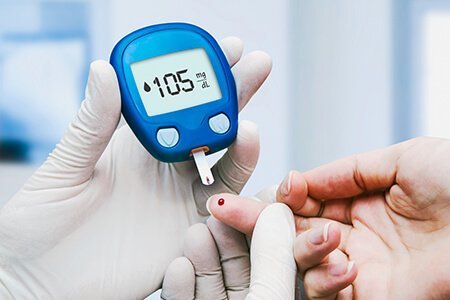
Understanding the Early Symptoms, Risk Factors, and Importance of Timely Diagnosis Diabetes is a common health condition that affects how the body regulates blood glucose (blood sugar). It can develop gradually, and some people may have diabetes without noticing any obvious symptoms. Recognising potential warning signs and getting appropriate medical advice can help people take timely steps to manage their health. At Medi-Max Healthcare, we believe that health awareness and informed decisions are important parts of preventive healthcare. What Is Diabetes? Diabetes occurs when the body does not produce enough insulin or cannot use insulin effectively. Insulin is a hormone that helps glucose move from the bloodstream into cells for energy. When glucose remains elevated in the blood over time, it can increase the risk of complications affecting the eyes, kidneys, nerves, heart, and blood vessels. The main types include Type 1 diabetes, Type 2 diabetes, and gestational diabetes, which can develop during pregnancy. 1. Frequent Urination One possible sign of diabetes is needing to urinate more often than usual, including during the night. When blood glucose levels become high, the kidneys may remove excess glucose through urine, increasing urination. Frequent urination can also have other causes, so it is important not to assume diabetes is the reason without appropriate evaluation. 2. Increased Thirst Feeling unusually thirsty, even after drinking water, can be another potential symptom. This may occur because frequent urination causes the body to lose more fluid than usual. If excessive thirst continues, consider speaking with a healthcare professional. 3. Feeling Hungry More Often Some people with diabetes experience increased hunger. When the body cannot use glucose effectively, its cells may not receive the energy they need, which can contribute to persistent hunger. Ongoing or unexplained changes in appetite deserve attention, particularly when accompanied by other symptoms. 4. Unusual Tiredness Feeling constantly tired despite getting enough rest may be associated with elevated blood glucose. However, fatigue can also result from sleep problems, anaemia, thyroid conditions, stress, and other health concerns. If tiredness persists or affects your daily activities, seek medical advice to identify the underlying cause. 5. Blurred Vision High blood glucose can temporarily affect the eye’s ability to focus, resulting in blurred vision. Changes in vision should not be ignored, especially if they occur alongside increased thirst or frequent urination. Sudden vision loss or a sudden significant change in vision requires urgent medical assessment. 6. Slow-Healing Cuts and Frequent Infections Some people with diabetes may notice that cuts or wounds take longer to heal. They may also experience certain infections more frequently. Persistent wounds, spreading redness, swelling, or signs of infection should be assessed by a healthcare professional. 7. Tingling or Numbness in the Hands and Feet Prolonged high blood glucose can damage nerves, sometimes causing tingling, burning, pain, or numbness in the hands and feet. These symptoms can have several causes. Early evaluation is important to determine the reason and identify appropriate treatment. Who Is at Higher Risk of Type 2 Diabetes? Several factors may increase the risk of developing Type 2 diabetes, including: Having a close family member with diabetes. Being physically inactive. Having excess body weight, particularly around the waist. Having a history of gestational diabetes. Having certain conditions associated with insulin resistance. People without these risk factors can also develop diabetes. A healthcare professional can help determine whether screening is appropriate based on age, medical history, and individual risk. How Is Diabetes Diagnosed? Diabetes is diagnosed using appropriate blood tests. Common tests include: Fasting blood glucose: Measures blood sugar after fasting. HbA1c test: Estimates average blood glucose over approximately two to three months. Oral glucose tolerance test: Measures how the body responds to a glucose drink. The right test depends on the individual’s circumstances. A clinician may recommend repeat testing to confirm a diagnosis when appropriate. Can Diabetes Be Managed? Yes. Many people manage diabetes with a personalised care plan that may include balanced nutrition, regular physical activity, monitoring blood glucose, prescribed medication, and routine medical follow-ups. The treatment approach varies depending on the type of diabetes and the individual’s needs. Do not start, stop, or change medication without guidance from a qualified healthcare professional. When Should You Seek Medical Attention? Arrange a medical assessment if you experience persistent excessive thirst, frequent urination, unexplained weight loss, unusual fatigue, or blurred vision. Seek emergency medical care if symptoms include vomiting, abdominal pain, deep or rapid breathing, confusion, or severe drowsiness, particularly when diabetes is suspected. These can be warning signs of a serious complication. Conclusion Recognising possible diabetes symptoms is an important step towards protecting your health. Frequent urination, unusual thirst, persistent fatigue, blurred vision, and unexplained weight changes should be discussed with a healthcare professional when they occur. Remember, some people with Type 2 diabetes have few or no noticeable symptoms. Appropriate screening and timely diagnosis can help identify the condition and support effective management. Take charge of your health through awareness, regular check-ups, and informed healthcare decisions. Disclaimer: This article is for general educational purposes only. It does not replace professional medical advice, diagnosis, or treatment. Consult a qualified healthcare professional for guidance about your individual health needs. Published by: Medi-Max Healthcare

Uncategorized

10 Simple Ways to Maintain a Healthy Lifestyle

A Complete Guide to Better Health and Well-Being Maintaining a healthy lifestyle is one of the most effective ways to support your overall well-being. Small, consistent changes in your daily routine can help you feel more energetic, improve your physical fitness, and support your mental health. You don’t need to make drastic changes overnight — starting with simple habits can make a meaningful difference over time. At Medi-Max Healthcare, we believe that understanding your health and making informed choices are important steps towards a healthier life. 1. Eat a Balanced and Nutritious Diet A balanced diet provides your body with the nutrients it needs to function properly. Include a variety of fruits, vegetables, whole grains, pulses, and protein-rich foods in your meals. Try to limit highly processed foods, excessive sugar, and foods high in unhealthy fats. Choose a varied diet that meets your individual nutritional needs. 2. Stay Hydrated Throughout the Day Water plays an important role in digestion, temperature regulation, and normal body functions. Drink water regularly throughout the day, and increase your intake when the weather is hot or you are physically active. Your hydration needs may vary depending on your health, activity level, and environment. 3. Make Physical Activity a Daily Habit Regular physical activity supports heart health, muscle strength, flexibility, and overall fitness. Walking, cycling, swimming, dancing, or other activities you enjoy can help you stay active. Start at a comfortable level and gradually increase your activity. If you have a medical condition or have been inactive for a long time, consult a healthcare professional before beginning an intensive exercise routine. 4. Get Enough Quality Sleep Sleep is essential for physical recovery, concentration, and emotional well-being. Adults generally need around seven to nine hours of sleep each night. To support better sleep, maintain a consistent bedtime, create a relaxing nighttime routine, and reduce screen use before going to bed. 5. Manage Stress in Healthy Ways Daily stress can affect both your mental and physical well-being. Relaxation techniques such as deep breathing, meditation, spending time outdoors, and talking to someone you trust may help you manage stress. If stress, anxiety, or low mood persist or interfere with everyday life, consider seeking professional support. 6. Don’t Ignore Preventive Health Check-Ups Preventive healthcare can help identify certain health concerns before noticeable symptoms develop. The appropriate screenings and check-ups depend on your age, medical history, family history, and individual risk factors. Discuss a suitable preventive care plan with your healthcare professional rather than relying on a one-size-fits-all schedule. 7. Maintain Good Personal Hygiene Simple hygiene habits can help reduce the spread of many infections. Wash your hands regularly, maintain oral hygiene, keep your surroundings clean, and follow appropriate food-safety practices. These small actions can contribute to a healthier environment for you and your family. 8. Avoid Tobacco and Limit Harmful Habits Avoiding tobacco is an important step towards protecting your health. Tobacco use increases the risk of several serious diseases. If you smoke or use tobacco, professional support can help you work towards quitting. It is also important to avoid self-medicating and to take medicines only as directed by a qualified healthcare professional. 9. Pay Attention to Your Body Notice changes in your body and don’t ignore symptoms that are persistent, unusual, or worsening. Keeping track of your symptoms and discussing them with a healthcare professional can help you understand what care may be needed. Seek urgent medical attention for emergency symptoms such as severe chest pain, serious breathing difficulty, or sudden weakness. 10. Build Healthy Habits Gradually Trying to change everything at once can feel overwhelming. Instead, choose one or two realistic habits and practise them consistently. For example, begin with a short daily walk, add a serving of vegetables to your meals, or establish a regular sleep schedule. Over time, these small steps can become part of your everyday routine. Conclusion A healthy lifestyle is built through consistent choices, not overnight transformations. Eating nutritious foods, staying active, sleeping well, managing stress, and attending appropriate health check-ups can all contribute to better overall well-being. Remember that everyone’s health needs are different. For personalised guidance, consult a qualified healthcare professional who can help you make decisions based on your individual circumstances. Your health matters. Start with small steps today and keep moving towards a healthier tomorrow. Disclaimer: This article is for general educational purposes only and does not replace professional medical advice, diagnosis, or treatment. Consult a qualified healthcare professional for advice specific to your health needs. Published by: Medi-Max Healthcare

Scroll to Top